
Alexis Colon '19
Location and Participation: Political Protest in Traditional and Non-Traditional States
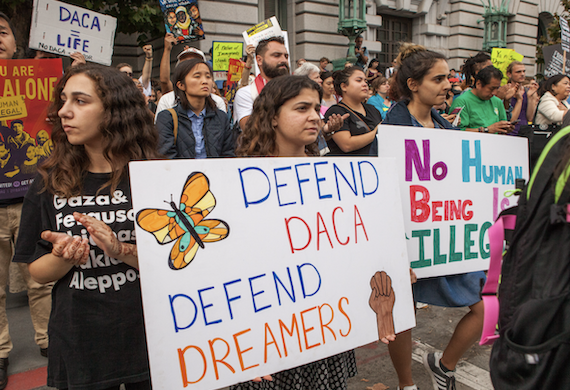
This project looks at political participation and immigrant populations in “traditional” and “non-traditional” locations. As the most inclusive form of political participation, I chose to focus on protest. The protests compared are the Anti-Immigration Reform protests of 2006 and the support for DACA in 2017. The protests are compared between “traditional” and “non-traditional” locations, traditional meaning areas that have attracted immigrant populations throughout American history and non-traditional meaning areas that have recently drawn immigrants. This study looks specifically at California (traditional), Georgia, North Carolina, and Nebraska (non-traditional).
Alexis's project is currently offline
Abby Dolan '19
Gamelan Learning
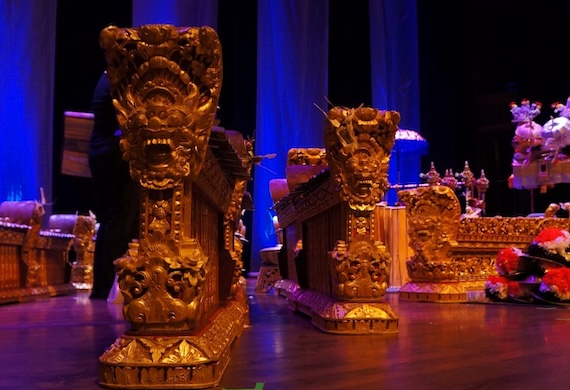
This project applies digital education tools to traditional Gamelan teaching methods in order to create a website that helps students of the Bucknell Gamelan better learn their parts, and help students better understand Gamelan as a whole. Several different tools are used in an effort to create a more interactive learning experience, helping students when they are not in rehearsal and do not have access to the instruments to more fully learn their parts, and be well prepared for rehearsal. The site is also designed to help new students of Gamelan to learn about the instruments and ensemble. The instruments use a program called Godot to create interactive and responsive instruments, free to download and easy to play.
Nicholas Nam '19
The Campus Theatre During World War II
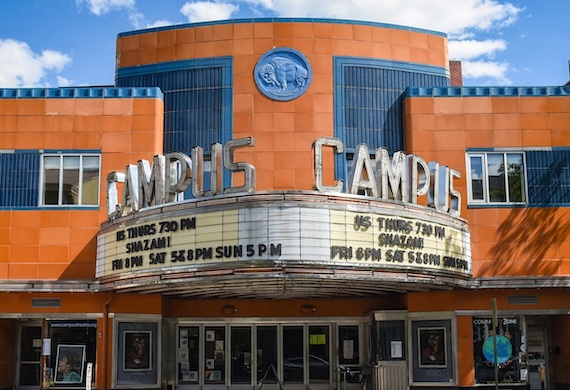
Nestled quietly in Lewisburg, Pennsylvania is the Campus Theatre - one of the few remaining single screen art deco theaters that still populates America. Opened in January of 1941, just eleven months shy of the bombing of Pearl Harbor, the Campus Theatre played an interesting role in the war effort. From selling war bonds and stamps in the lobby to hosting U.S.O. events, the movie theater played its part in raising both funds and morale in support of the U.S. campaign on dismantling the Axis powers during the global war. Though these practices are interesting in their own regard, this project is centered around a more non-traditional means by which the Campus Theatre, and many other movie theaters of the era influenced the war effort — through film exhibition.
Craig Terry '21
Representation of Mental Disorders in American Films
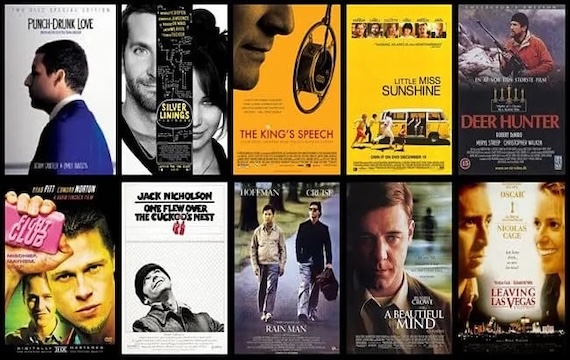
American filmmaking has been a crucial mechanism for perpetuating and creating certain ideologies. Media, in general, has been a great source of developing ideas in people’s heads, primarily through representation. But do these films represent mental disorders accurately? It’s difficult to answer this question because there aren’t identities attached to mental disorders. There isn’t a way of telling if someone is “mentally ill” based on fundamental assumptions or subtle implications. Accurate analysis of a mental health disorder in movies is reliant on name drops.
Craig's project is currently offline