

Aura Chuck Hernandez '27
Mujeres Juntas “Women Together”: Combating Data Driven Distortions of Femicide Through Narrative
My project maps a selection of nonfiction and fictional books to the Mexican states in which they are set, overlaying these literary works onto a visual of annual femicide counts across the country. Located on the Literary Maps and Data page, I think of this concept as a geographic bibliography, where books are being organized by location instead of alphabetically. By curating book suggestions in the context of femicide rates, I hope users better understand the severity of femicide in a given region, but also look to literature to humanize these data points. Data is a vehicle for understanding and literature is a vehicle for empathy.
View Aura's Project | Watch Aura's Presentation
Aaron Ruohoniemi '28
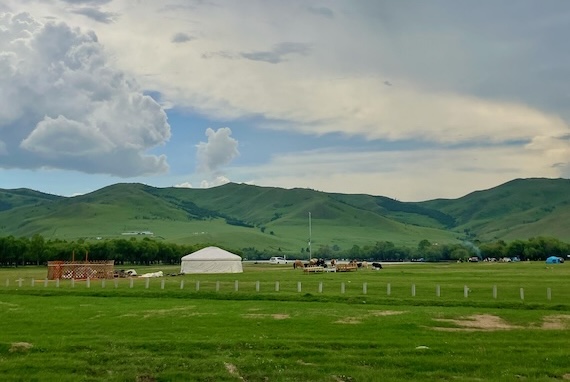
Тоонто Нютаг “Homeland”: Exploring the Declining Language and Culture of the Buryats
In Southern Siberia, just north of Mongolia, is the Republic of Buryatia. This sovereign state within the Russian Federation is the homeland of the Buryat people. For thousands of years, nomadic Mongol and Chinese tribes inhabited this area. In the early 1600’s, however, the first Cossacks arrived and forced the local tribes to become subjects of the Russian Empire. However, Buryats continued to be mostly independent until the Soviet Union was formed, disrupting every part of their traditional livelihood. Ever since, the Buryats have faced the rapid decline of their language and culture. Utilizing interactive maps, timelines, and galleries, this project aims to answer the following questions: Who are the Buryat people, what has caused their language and culture to decline, and what action is being taken to preserve it?
View Aaron's Project | Watch Aaron's Presentation
Deryn Varney '27
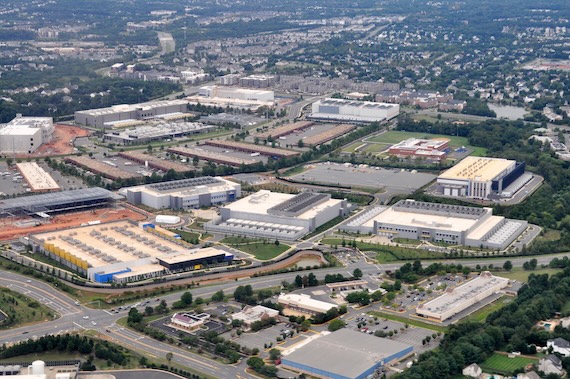
Data Centers: Centers of Controversy in the Big Tech AI Buildout
As more and more of our lives are relegated to the digital world, and particularly as big tech races to develop AI, companies jockey for position to build data centers that dominate land, power, and resources and can be disruptive at best and extractive at worst to the communities in which they are built. This project looks at industry reports on environmental impacts of data centers for a broad overview of the issues raised by the current AI-driven data center buildout. It uses news coverage to add dimension to the impacts experienced by the particular communities in which these massive data centers are being constructed.