

Elizabeth Farland '29
Routes, Roots, and Work: Tracing Asian Immigration, Settlement, and Economic Opportunity in the United States
Immigration has significantly shaped the communities of Pennsylvania, New Jersey, and New York. These states have long been major destinations for immigrants and are home to large and diverse Asian American populations. Over time, immigration has contributed to population growth, cultural diversity, and changing settlement patterns across the region. This project focuses primarily on Chinese immigrants and Chinese American communities because they represent one of the largest Asian American populations in the Northeast. Chinese immigration also has a long and complex history shaped by exclusionary laws, changing immigration policies, and several different waves of migration.
View Elizabeth's Project | Watch Elizabeth's Presentation
Iaroslava Polusmak '28
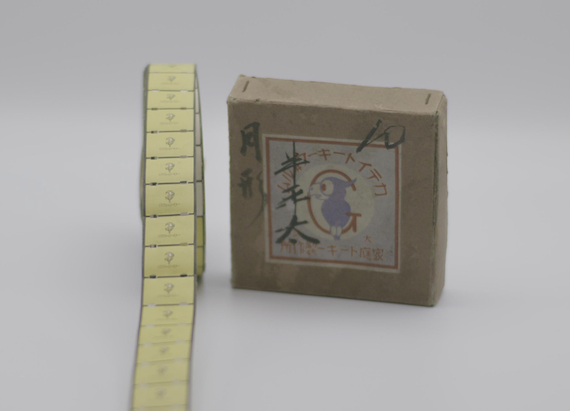
Planes, Trains, Cars and Lions: The Eccentric World of the Japanese Paper Live Actions Films
The Japanese Paper Film Project’s goals are to preserve, digitise, document and sometimes restore kami firumu (紙フィルム) - films that were made on paper in 1932-1938 instead of celluloid. The project collection includes animation, live action and hand-drawn films. This website is dedicated to specifically researching live action paper films and identifying the 35mm celluloid source films from which the Japanese paper films were made.
View Yara's Project | Watch Yara's Presentation
Vuochnea Taing '28
“Pastry Princess” vs “Mad Scientist”
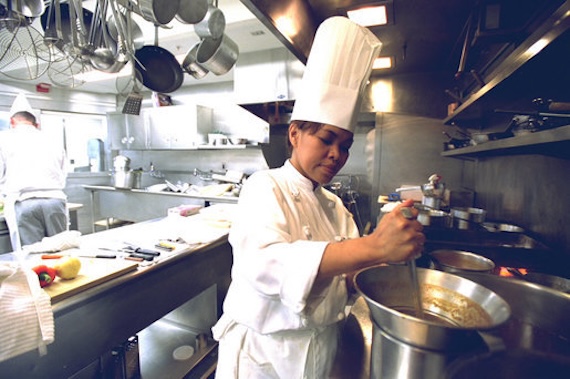
Although cooking is a feminine-coded labor, why are there fewer successful women chefs compared to men in the professional cooking industry? This project explores the gender dynamics in the culinary world. I am interested in learning why women, who society expects to be cooks in household kitchens, have a harder time becoming professional chefs or experience damaging burnout. In addition, I examine the misogynistic, sexist, microaggressive, and macroaggressive statements and behaviors exhibited toward marginalized groups in this industry because I want this project to help anyone, ranging from cooking reality TV show fans to those who dream of becoming a chef, recognize signs of abuse and violence.
View Vuochnea's Project | Watch Vuochnea's Presentation
Andrew Yu '28
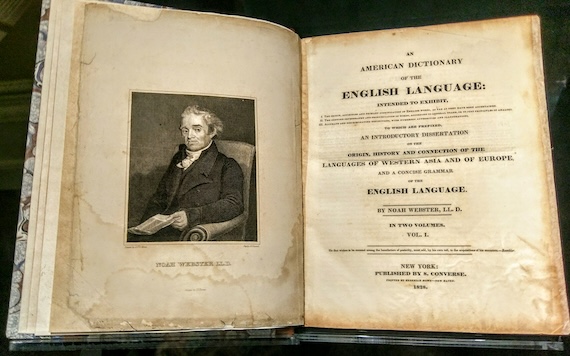
Why “American” English: How Theatre Became Theater
Have you ever wondered why there's "British" English and "American" English? Why Americans write center while the British often write centre? Why there's the "Oxford comma"? Or how words that don't sound like English end up in the language? Well my inquisitive friend... These features are from random. They reflect centuries of migration, cultural contact, conflict, trade, and changing ideas about what counts as English (Bailey 14). So come along this short journey with me, as we delve into how "American" English was made.