

Malika Ali '26
The Effects of COVID-19 on Pennsylvania’s Justice System
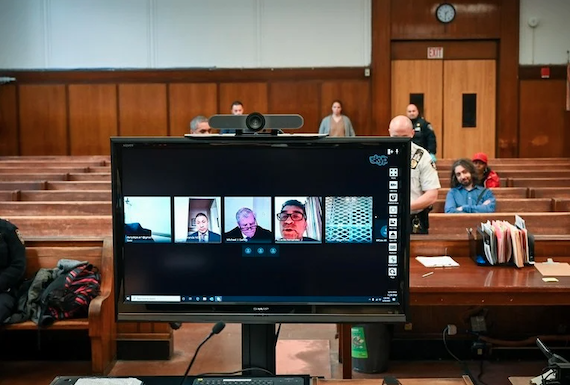
The COVID-19 pandemic had global impacts that disrupted just about every aspect of life, from education to healthcare to work and social interaction. In Pennsylvania, the criminal justice system was turned upside down. Overcrowded prisons became virus hotspots, the administration of justice moved online, and law enforcement officers faced the dual challenge of maintaining public order while protecting themselves and the community from the virus. Some of these changes permanently altered the system and remained in place even after the pandemic subsided. This project analyzes the pandemic's impact on the three main components of Pennsylvania's criminal justice system: law enforcement, courts, and corrections. By examining these areas, the project provides an understanding of how the system adapted and what long-term effects emerged.
View Malika's Project | Watch Malika's Presentation
Thandeka Bango '26
Evaluating Equitable Development in Zimbabwe
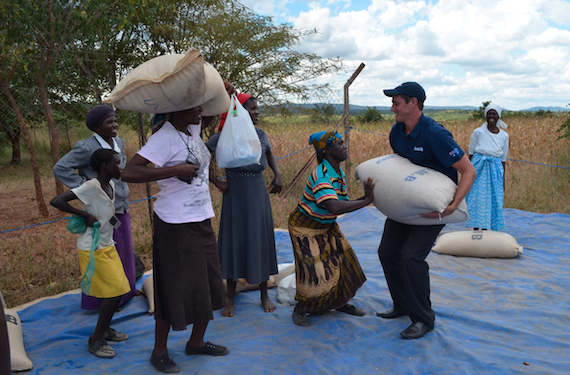
Equitable development refers to a concept and approach to economic and social progress that aims to ensure fairness, justice, and inclusivity in the distribution of benefits and opportunities among all segments of society, particularly focusing on marginalized or disadvantaged groups. With a focus on infrastructural development on the African continent, this project explores Equitable Development in Zimbabwe. Given the country's macroeconomic volatility, ethnic segregation, and structural disparities, this project aims to create a comprehensive overview of the country's histories, and infrastructure reflecting on Zimbabwe's potential in the global sphere.
View Thandeka's Project | Watch Thandeka's Presentation
Gianna Depina '26
Demografias do Cabo Verdianos
We are the people of Cabo Verde. We gained our independence from Portugal July 5th, 1975. Cabo Verdianos are composed of a mix of Portuguese, African, and European descent. We are primarily considered African considering our placement, and our African ancestors whom we are descendants from. Seventy-one percent of Cape Verdeans have a mixed ancestry of both Portuguese and African, while 28% of the population are primarily African, and one percent being primarily Portuguese or European. This project explores Cape Verdean culture, history, demographic and migration patterns, and explores how so many Cape Verdeans came to live in New England.
View Gianna's Project | Watch Gianna's Presentation
Jackline Masetu '27
Sickle Cell Disease in Sub-Saharan Africa
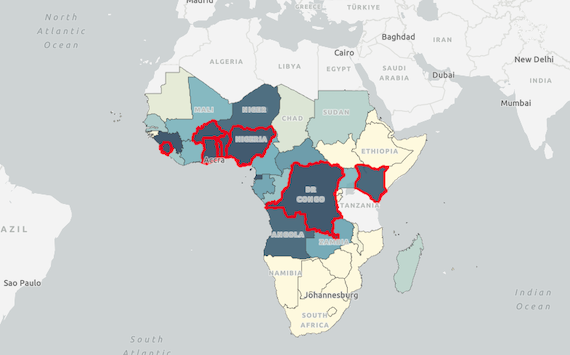
This project focuses on sickle cell diseases in Africa and addresses a significant health issue that affects millions across the continent. This project aims to increase awareness and provide education about Sickle Cell Diseases. The main focus is Sickle Cell Anemia as it has a high prevalence in Sub-Saharan Africa. Problems and solutions facing sickle cell patients are discussed with an aim of creating awareness about the sickle cell anemia, the available treatments, stigmas and misconceptions about the disease, how to combat the stigma, and how to reduce the burden sickle cell anemia has on individuals. The project also highlights the future of sickle cell treatments through gene therapy.